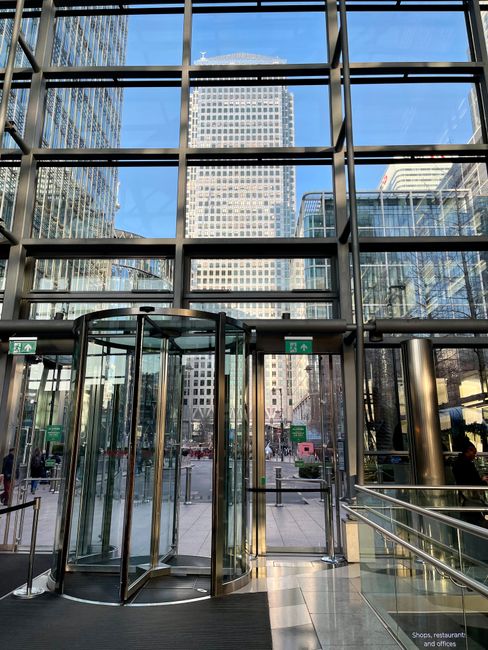
Canary Wharf office rubbish removal for shops and businesses
If you run a shop, office, salon, cafe, clinic, or small commercial unit in Canary Wharf, rubbish has a funny way of building up exactly when you are busiest. One day it is a few cardboard boxes and some packaging; the next it is broken shelving, old office chairs, mixed recyclables, and a back room that suddenly feels too small to breathe in. Canary Wharf office rubbish removal for shops and businesses is really about keeping that commercial pressure under control without interrupting the working day.
Done properly, it is quick, tidy, and far less disruptive than people expect. Done badly, it can turn into clutter, missed collections, unpleasant odours, safety issues, and avoidable stress. This guide explains how the service works, who it helps, what to watch out for, and how to make better decisions whether you are clearing a one-off pile or arranging regular business waste removal. To be fair, the best approach is usually the one that keeps your team focused on customers, not bins.
Below, you will find practical advice, a simple step-by-step process, and a few real-world points that shop managers and office teams in Canary Wharf tend to appreciate once the first van pulls away and the floor is clear again. Not glamorous, granted. Very useful though.
Table of Contents
- Why Canary Wharf office rubbish removal for shops and businesses matters
- How it works
- Key benefits and practical advantages
- Who this is for and when it makes sense
- Step-by-step guidance
- Expert tips for better results
- Common mistakes to avoid
- Tools, resources and recommendations
- Law, compliance, standards, or best practice
- Options, methods, or comparison table
- Case study or real-world example
- Practical checklist
- Conclusion
- Frequently asked questions
Why Canary Wharf office rubbish removal for shops and businesses Matters
Canary Wharf is a dense, fast-moving commercial area. That matters because waste here is not just "stuff to throw away". It is something that affects customer experience, staff safety, stockroom space, visual presentation, and sometimes even building access. A tidy premises feels professional; a cramped storeroom with overflowing bags feels like the sort of place nobody wants to spend time in.
For businesses, waste builds up in predictable but awkward ways. Deliveries bring mountains of cardboard. Fit-outs leave packaging, offcuts, and protective wrap. Office moves create old monitors, filing cabinets, desk pedestals, and mixed furniture. Retailers may need regular collection of damaged stock, broken displays, or out-of-date promotional material. If all that sits around too long, it starts to interfere with trading.
There is also the reputational side. In a location like Canary Wharf, customers and clients notice details. They notice whether the entrance smells clean. They notice whether the back of house is organised. They notice whether bins are overflowing near the loading area at 8:30 in the morning when people are heading to work. You do not need perfection. But you do need control.
Then there is the practical risk. Loose waste can cause trip hazards, block access routes, attract pests, and create fire-loading problems in storage areas. That is not melodrama; it is just how clutter behaves when nobody is in charge of it. If you have ever tried to move three black bags, two dismantled chairs, and a wobbling pile of flat-packed boxes through a narrow corridor, you will know the feeling. Slightly absurd, slightly annoying, and very avoidable.
How Canary Wharf office rubbish removal for shops and businesses Works
In simple terms, commercial rubbish removal is a collection and disposal service for business waste that is too bulky, too mixed, or too awkward for standard bin arrangements. Depending on the provider, it may cover one-off clearances, scheduled collections, or ad hoc removals after refurbishments, relocations, or busy trading periods.
The process usually begins with a description of the waste. A good operator will want to know what needs removing, roughly how much there is, where it is located, and whether access is straightforward. A back office on the ground floor is very different from a storage room tucked away on an upper level with narrow stairs and no lift. That detail changes the planning, the time required, and sometimes the vehicle needed.
From there, the collection is normally arranged for a suitable slot. For many businesses, that means early morning, before customers arrive, or at quieter periods when staff are not stepping over boxes every ten seconds. The team arrives, loads the waste, separates recyclable materials where possible, and takes it away for disposal or processing.
The key thing to understand is that business rubbish is not all the same. Cardboard, wood, furniture, electrical items, general mixed waste, and refurbishment debris all need different handling. A reliable service should sort through that properly rather than treating everything as one giant black bag. That distinction matters for cost, compliance, and recycling outcomes.
In practice, a smooth collection tends to look like this:
- You send an enquiry with the type and volume of waste.
- The provider gives guidance or an estimate based on the job.
- A collection time is arranged to suit the premises.
- The waste is loaded safely and removed.
- Materials are sorted, recycled where appropriate, and disposed of responsibly.
If you already know your business produces regular waste, it often helps to think of removal as part of operations rather than an emergency service. The businesses that stay ahead of it usually have calmer back rooms. Funny how that works.
Key Benefits and Practical Advantages
The obvious benefit is clearing space. But that is just the start. The real value comes from how that space translates into a better working day. A cleared stockroom gives staff room to move. A clean service corridor reduces friction during deliveries. An uncluttered office makes small teams feel less boxed in. Sometimes the effect is instant, almost physical; you open the door and the room suddenly feels bigger. Not magic. Just less rubbish.
Another big advantage is time. If employees are trying to manage bins, dismantle furniture, and sort waste between customer tasks, the job drags on and nobody is doing their best work. A dedicated removal service cuts out that distraction. The team can keep serving customers, handling calls, or closing the register while the waste is taken away in one sweep.
There is also a financial angle, though it is often indirect. Poor waste handling can lead to avoidable labour costs, storage problems, and occasional damage if clutter gets in the way of stock rotation or maintenance. A smoother clearance can reduce those knock-on effects. For a shop, that might mean easier access to stock. For an office, it might mean the difference between a tidy move-out and a frantic last-day clear-up.
Other practical gains include:
- Better presentation: especially important for customer-facing premises in a premium business district.
- Safer floors and walkways: fewer trip hazards and blocked access points.
- More flexible operations: easier to reorganise layouts or prepare for delivery days.
- Improved morale: staff generally work better in tidy, well-run spaces.
- More responsible disposal: recyclable materials can often be diverted from general waste streams.
And let's be honest, there is something satisfying about seeing a space reset properly. You can almost hear the building exhale.
Who This Is For and When It Makes Sense
This service is relevant to a wide range of businesses in Canary Wharf, not just offices. It is especially useful for operations that generate bulky, mixed, or time-sensitive waste that cannot just sit in a bin store for days.
Common users include:
- Offices clearing old desks, filing units, monitors, and archive waste.
- Shops removing packaging, display units, damaged stock, and seasonal leftovers.
- Cafes and restaurants dealing with delivery packaging, broken furniture, and back-of-house clutter.
- Beauty, wellness, and clinic spaces disposing of old furnishings or redundant equipment.
- Landlords, managing agents, and fit-out teams after a change of tenant.
- Businesses relocating, downsizing, or merging workspaces.
It also makes sense when you have an unusual spike in waste. Perhaps a refit finished late. Perhaps a storage area got neglected during a busy quarter. Perhaps you are preparing for a lease handback and need the premises cleared properly. Those moments tend to arrive quickly, usually when you have the least spare time. That is life, isn't it?
If your business waste is mostly small and routine, you may need scheduled collections rather than a one-off clearance. But if the waste is awkward, bulky, mixed, or urgent, a tailored removal service is usually the cleaner solution.
Step-by-Step Guidance
If you want the process to run smoothly, it helps to think a few steps ahead. A little planning goes a long way, and it saves that last-minute shuffle where everyone is asking, "Where does this go?" while standing in a corridor full of boxes.
1. Walk the premises and separate the waste types
Start by identifying what you actually have. Cardboard is not the same as mixed waste. Furniture is not the same as electrical equipment. A quick visual audit helps avoid confusion later and can make the collection more efficient.
2. Measure volume in a practical way
You do not need engineering precision. But you do need a fair estimate. Think in terms of bin bags, desks, chairs, or the number of large items. If possible, take photos from a few angles. That makes quoting and planning much easier.
3. Check access and timing
In Canary Wharf, access can be the hidden complication. Consider loading bays, lifts, security procedures, restricted hours, and any building rules that affect collections. If the crew has to wait, park far away, or carry items through multiple doors, the job takes longer.
4. Prioritise high-impact waste first
Start with the items causing the biggest issue: blocked walkways, broken furniture, bulky packaging, or waste that is getting in the way of daily work. You can often leave smaller tidying tasks for later. Clear the pressure points first.
5. Arrange a collection that suits business hours
Early mornings, quieter trading windows, or end-of-day slots often work best. If the premises are customer-facing, avoid peak times where noise and movement could interrupt service. A thirty-minute timing tweak can make the whole job feel calmer.
6. Ask how items will be handled
Responsible removal should include sorting and proper disposal. If you have reusable office furniture or items that can be broken down for recycling, it is worth understanding what happens next. It is not being fussy. It is good housekeeping.
7. Keep a record
For business premises, it is sensible to keep notes or paperwork showing what was removed and when. That can be useful for internal records, landlord conversations, and general waste management oversight.
One practical trick: place the waste in clearly separated piles before the team arrives. It sounds minor, but it can reduce confusion and save time. Less hunting around. Less awkward "Is this staying or going?" moment.
Expert Tips for Better Results
In our experience, the best commercial clearances usually come down to preparation rather than brute force. A bit of thought up front avoids messy surprises later.
Tip 1: Keep cardboard separate whenever you can. In retail and office settings, cardboard builds fast and can dominate a collection if it is mixed with everything else. Stacking it separately usually makes the whole job cleaner.
Tip 2: Dismantle only where it helps. Some items are easier to remove in pieces, but overdoing it can create extra mess and lose time. If a shelf or desk can be safely reduced in size, great. If not, leave it.
Tip 3: Protect floors and walls in tight areas. That is especially useful in polished office spaces or shop units with fresh finishes. A small bit of care now saves awkward repair chats later.
Tip 4: Schedule around deliveries and footfall. A collection that clashes with stock delivery or lunch-hour customer traffic can slow everything down. This is one of those little planning details that makes a very noticeable difference.
Tip 5: Be honest about mixed waste. If there are electronics, contaminated materials, or odd items tucked in among the rest, say so. No one likes surprises on a loading job. Well, almost no one.
Tip 6: Think beyond the single clearance. If waste piles up regularly, ask whether a recurring collection pattern would work better. Many businesses get more value from a steady process than from repeated emergency clear-outs.
Here is the simple truth: the more clearly you define the job, the smoother it goes. That is true for rubbish removal and, frankly, for most things in business.
Common Mistakes to Avoid
Many waste removal headaches are preventable. They usually come from rushing, guessing, or assuming the service will "just know" what is needed. Sometimes that works. Often it does not.
Mixing every waste type together. Putting everything into one pile may feel efficient in the moment, but it can make sorting slower and costlier later. Keep cardboard, furniture, and general waste separate where possible.
Underestimating volume. A few bins of waste can look manageable until you start moving them. Then it turns out there are more items hiding behind the display stand. Classic.
Ignoring access restrictions. If the collection team cannot get near the premises, the job becomes slower and more expensive than expected. Lift access, loading windows, and building permissions all matter.
Leaving the clearance too late. This is a common one during refits, end-of-tenancy work, or store changes. Waste grows, deadlines tighten, and everyone starts speaking a little faster.
Choosing purely on price. The cheapest option is not always the best value if it causes delays, poor communication, or awkward disposal handling. In commercial work, reliability is worth paying attention to.
Forgetting staff coordination. A collection can go wrong if employees are still using the same space or moving items at the same time. A short briefing helps. Nothing fancy. Just clear instructions.
Not asking what happens after collection. Businesses often want reassurance that materials are handled properly. It is reasonable to ask. In fact, it is smart to ask.
Tools, Resources and Recommendations
You do not need a lot of specialist equipment to prepare for office rubbish removal, but a few simple tools make the process easier. A trolley, sacks for loose waste, tape for labelling, and a basic checklist are usually enough for most premises.
For larger jobs, it helps to have:
- Moving trolleys or sack trucks for heavy office items.
- Storage sacks or boxes for smaller loose materials.
- Labels or marker pens to separate keep, recycle, and remove items.
- A phone camera to photograph waste piles before collection.
- A floor plan or access note if the premises are complex.
For business planning, a simple waste log can be useful. It does not need to be elaborate. A date, a brief description of the waste, and the collection outcome may be enough. That kind of record helps identify patterns, like recurring cardboard surges after deliveries or furniture waste after seasonal changes.
If you are working across a wider commercial footprint, it can also help to link waste handling with your wider business waste approach. For example, a regular business waste arrangement may be a better fit for recurring materials, while a one-off office clearance suits relocations, upgrades, or end-of-lease jobs.
For businesses dealing with heavier mixed loads or short-notice clear-outs, broader services such as rubbish removal and waste removal can provide a more flexible route than relying on bin capacity alone. Sometimes the simplest solution is the one that gets the space back fastest.
Law, Compliance, Standards, or Best Practice
Any business producing waste has responsibilities around storage, transfer, and disposal. The exact requirements can vary depending on the type of waste and the arrangements in place, so it is sensible to stay cautious and practical rather than making assumptions.
At a minimum, good practice usually means:
- keeping waste secure and stored safely before collection;
- separating recyclable materials where this is practical;
- avoiding blocked exits, corridors, and fire routes;
- using a collection provider that handles disposal responsibly;
- keeping basic records where that helps business oversight.
For commercial premises in London, building management rules can matter just as much as the waste itself. Loading bay windows, lift booking systems, service entrances, and quiet-hour rules may affect how and when rubbish can be removed. If you run a shop in Canary Wharf, those details can be the difference between a smooth collection and a very long wait by the service door.
Health and safety is also part of the picture. Heavy items should be moved carefully, sharp edges should be handled properly, and walkways should remain clear. That sounds obvious, but obvious things get missed when people are busy. It happens.
Best practice is to treat waste removal as part of your premises management, not as a last-minute clean-up task. That mindset usually leads to better compliance, better presentation, and fewer surprises.
Options, Methods, or Comparison Table
Different businesses need different approaches. A small office clearance is not the same as a retail refit. A regular collection is not the same as a one-off bulky waste job. The table below gives a straightforward comparison of common options.
| Method | Best for | Strengths | Limitations |
|---|---|---|---|
| One-off rubbish removal | Sudden clear-outs, bulky items, urgent backlog | Fast, simple, clears space quickly | Not ideal for ongoing waste generation |
| Regular business waste collection | Shops and offices with predictable waste | Consistent, easier to plan, less disruption | May not suit bulky or unusual items |
| Office clearance service | Moves, downsizing, refurbishments | Good for furniture, files, equipment, mixed loads | Usually more involved than routine waste removal |
| Ad hoc bulky waste pickup | Chairs, desks, shelving, packaging surges | Handy for occasional peaks | Can be less cost-efficient if used too often |
If your business is mostly clearing routine waste, a regular collection plan may be enough. If you are dealing with a cluttered back office, leftover fit-out debris, or a unit about to change hands, a clearance approach is usually more appropriate. The right option depends on the shape of the problem, not just the volume.
It is also worth saying that many businesses use more than one method over time. That is normal. A shop might rely on routine collections most weeks, then book a larger removal after a refurb. Practical, not fancy.
Case Study or Real-World Example
Picture a small retail business near the Canary Wharf estate. After a seasonal refresh, the team had old display units, cardboard from new stock, damaged signage, and a few items of furniture that had been sitting in storage for months because "we'll deal with that later". You know how that goes. Later arrives, and suddenly the storeroom is full.
The problem was not dramatic, but it was annoying. Staff were moving around stacks of boxes just to reach the till supplies. The back area looked untidy in front of suppliers. Deliveries were slowing down because there was nowhere sensible to stage incoming stock. A space that should have supported trading was getting in the way of it.
The business arranged a commercial rubbish removal visit during a quieter window, separated the cardboard from the heavier mixed items beforehand, and cleared the furniture first. The collection was quicker than expected simply because the layout had been prepared. That is the part people often miss. The van does not need to do all the thinking for you.
By the end of the collection, the team had regained storage space, the delivery path was clear again, and the shop floor looked better from the moment the front shutters went up the next morning. Nothing magical happened. The business just got its breathing room back.
That is the real value of good Canary Wharf office rubbish removal for shops and businesses: not just taking waste away, but restoring order where it matters most.
Practical Checklist
Use this checklist before booking a collection. It keeps the job tidy and avoids the usual confusion.
- Identify the waste type: cardboard, furniture, office items, mixed waste, or electricals.
- Estimate the volume as clearly as you can.
- Separate recyclable materials where practical.
- Check access routes, loading points, and any building rules.
- Choose a collection time that avoids peak customer activity.
- Remove personal items, confidential papers, and anything staying on site.
- Mark heavy or awkward items clearly.
- Make sure walkways and exits stay clear.
- Confirm who will meet the collection team on arrival.
- Keep a record of what was removed.
Expert summary: The smoothest commercial clearances are usually the ones that are planned just enough to prevent friction, but not so overplanned that they waste time. Separate waste sensibly, respect building access, and choose the right removal method for the job. That simple formula solves a lot.
Conclusion
For shops and businesses in Canary Wharf, rubbish removal is really about keeping the working environment functional, presentable, and safe. Whether you need a one-off clearance, help with bulky items, or a more regular business waste arrangement, the best results come from clear planning and a provider that understands commercial pressures.
When the back room is tidy, the delivery route is clear, and the staff are not stepping over unused furniture, everything runs with less friction. Customers notice that. Staff notice it too. And frankly, it makes the whole place feel more under control.
If you are sorting out a cluttered workspace, preparing for a fit-out, or just trying to stop waste from taking over the premises, now is a good time to get it handled properly. One good clear-out can reset the tone of the space for weeks.
Get a free quote today and see how much you can save.
Frequently Asked Questions
What types of waste can be removed from Canary Wharf offices and shops?
Most commercial rubbish removal services can handle mixed office waste, cardboard, shop packaging, furniture, shelving, display units, and some electrical items. The exact list depends on the provider and the nature of the waste, so it is always worth describing the items clearly in advance.
Is office rubbish removal suitable for small shops as well as larger businesses?
Yes. Smaller shops often need it when stock packaging piles up, displays are replaced, or storage areas become overcrowded. Larger offices may use it for furniture, equipment, or end-of-lease clearances. The service scales to the job, which is the useful bit.
How is commercial rubbish removal different from regular bin collection?
Bin collection is usually for routine waste in standard containers. Commercial rubbish removal is better for bulky, awkward, mixed, or urgent waste that needs direct loading and disposal. It is usually more flexible and more suited to one-off clear-outs.
Do I need to separate cardboard, furniture, and general waste first?
It helps a lot, and in many cases it makes the collection quicker and more efficient. You do not always need perfect sorting, but separating major waste types can reduce confusion and improve recycling handling.
Can collections be arranged outside normal trading hours?
Often, yes. Early morning or quieter time slots are common for business premises because they reduce disruption to staff and customers. If your building has specific access rules, that should be discussed when arranging the job.
What should I do with confidential paperwork before a clearance?
Remove and secure any confidential documents before the collection. Waste removal is not a document-security service unless specifically arranged, so sensitive paper should be handled through your normal internal process first.
How do I know if I need an office clearance rather than simple rubbish removal?
If you are removing desks, chairs, filing units, and a larger mix of office contents, an office clearance is usually the better fit. If you are clearing a smaller amount of general clutter or bulky waste, rubbish removal may be enough. The difference is mostly about scale and complexity.
What if the waste is in a hard-to-reach room or upstairs office?
That is common in commercial settings, especially older buildings or multi-level premises. Mention access details in advance so the collection can be planned properly. Narrow corridors, stairs, and lift restrictions can affect timing and crew size.
Can businesses in Canary Wharf use this service after a refit or relocation?
Absolutely. In fact, post-refit and move-out clearances are some of the most common use cases. They often involve mixed waste, packaging, broken-down furniture, and a deadline that does not leave much room for delay.
How can I make the collection go more smoothly?
Prepare the waste in clear piles, confirm access arrangements, choose a sensible time slot, and let the provider know about any awkward items. A little preparation saves a lot of back-and-forth on the day. Simple, but it works.
Is it worth arranging regular business waste collection instead of one-off clear-outs?
If your business produces predictable waste each week, regular collection is often more practical and may keep the premises tidier overall. One-off clear-outs are better for occasional surges, furniture disposal, or larger changes like refurbishments and relocations.
What is the main benefit of using a professional removal service?
The main benefit is control. You get the waste removed safely, quickly, and without tying up staff who should be doing their actual jobs. That is a big deal in a busy commercial area like Canary Wharf, where time and presentation both matter.